



Concealed wind uplift restraint for rooftop pavers under ASCE 7-16
A concealed wind uplift paver pedestal system that mechanically restrains rooftop pavers on pedestals where uplift forces exceed paver self-weight, without visible hardware or design compromiseMechanically restrained pedestal pavers designed for ASCE 7-16 wind uplift conditionsNo visible caps, plates, or surface-mounted hardwareIdeal for parapet rooftop paver system edge and corner zonesCompatible with concrete and porcelain pedestal paversShips from our New Jersey warehouse with short Northeast lead times
Looking for project-specific information
Architect / Engineer: Codes, detailing, and specification guidance
Contractor / Installer: Installation, availability, and lead times
Mechanically restrained pedestal pavers for rooftop pavers on pedestals
Mechanically restrained pedestal pavers are now a requirement on many rooftops where wind uplift forces exceed the self-weight of traditional pedestal pavers.
Urbanstrong’s Concealed Wind Uplift Assembly system provides positive mechanical restraint for rooftop pavers on pedestals, eliminating reliance on gravity alone and reducing the risk of wind damage to roof assemblies, parapets, and membranes.Designed for pedestal pavers, roof pavers, and rooftop paver systemsSuitable for large roof deck paver systems and pedestal deck systemsProtects against wind damage to roof surfaces in high-wind areasPreserves clean architectural layouts without visible restraint hardware
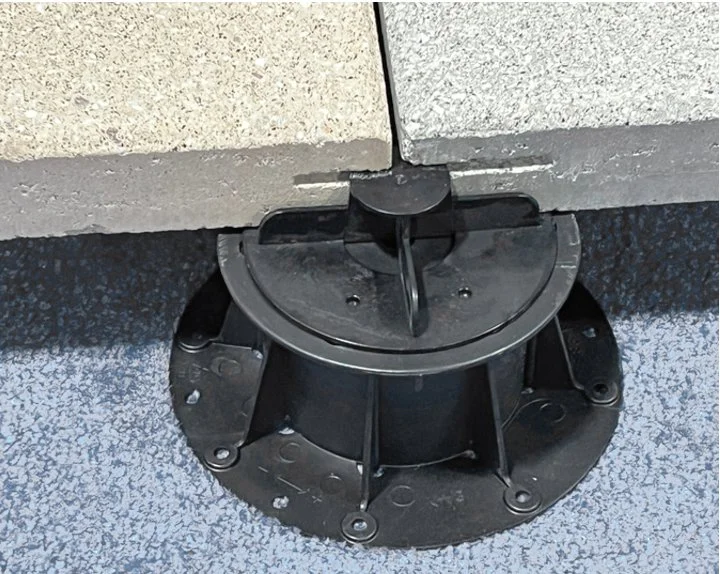

A concealed solution for pedestal pavers without visible hardware
This system solves wind uplift compliance by restraining each paver at the pedestal connection point, rather than on the surface, preserving clean paving on pedestals while meeting modern wind uplift requirements.No exposed clips, caps, or surface platesCompatible with Urbanstrong’s Atlantic Line paver roof deck pedestal systems and raised paving systems (more lines being added later in 2026)Suitable for high wind resistant roofing material strategiesDesigned for rooftop pavers, podiums, and parapet conditions
Why teams choose this approach
Meets ASCE 7-16 uplift requirements without visible hardware
:
Avoids late-stage redesigns and retrofit costs
:
Preserves architectural intent in parapet and edge zones
:
Reduces long-term wind damage to roof assemblies
:
Meets ASCE 7-16 uplift requirements without visible hardware : Avoids late-stage redesigns and retrofit costs : Preserves architectural intent in parapet and edge zones : Reduces long-term wind damage to roof assemblies :

Why rooftop pavers on pedestals now require mechanical restraint under ASCE 7-16
ASCE 7-16 changed how wind uplift on roofs is calculated, replacing uniform assumptions with zone-based pressures that intensify at edges, corners, and parapets. As this standard is adopted across more jurisdictions, many projects now calculate uplift forces that exceed the self-weight of pedestal pavers, making gravity-only systems inadequate.Roof uplift is calculated by zone, not averagedParapet rooftop paver system conditions see the highest pressuresRooftop pavers are treated as components subject to upliftMechanical restraint is required to prevent wind damage to roof assemblies

What happens when pedestal pavers are not restrained against wind uplift
It all begins with an idea. Maybe you want to launch a business. Maybe you want to turn a hobby into something more. Or maybe you have a creative project to share with the world. Whatever it is, the way you tell your story online can make all the difference.Wind damage to roof membranes and assembliesPavers becoming airborne during severe weatherFailed plan review or permitting delaysWind damage roof repair and retrofit costsIncreased liability exposure for designers, contractors, and owners

The problem with most pedestal paver systems
This system solves wind uplift compliance by restraining each paver at the pedestal connection point, rather than on the surface, preserving clean paving on pedestals while meeting modern wind uplift requirements.No exposed clips, caps, or surface platesCompatible with Urbanstrong’s Atlantic Line paver roof deck pedestal systems and raised paving systems (more lines being added later in 2026)Suitable for high wind resistant roofing material strategiesDesigned for rooftop pavers, podiums, and parapet conditions
How the concealed wind uplift paver pedestal system works
Hidden paver pedestal wind uplift detail
This system uses a concealed mechanical connection that locks the paver to the pedestal without penetrating the top surface.Precision kerf cut creates a concealed engagement pointLockdown component connects paver directly to pedestal headNo surface penetration or visible fasteningEach pedestal paver is mechanically restrained against uplift
The result is a secure, level roof deck pedestal system that meets wind uplift demands while preserving clean detailing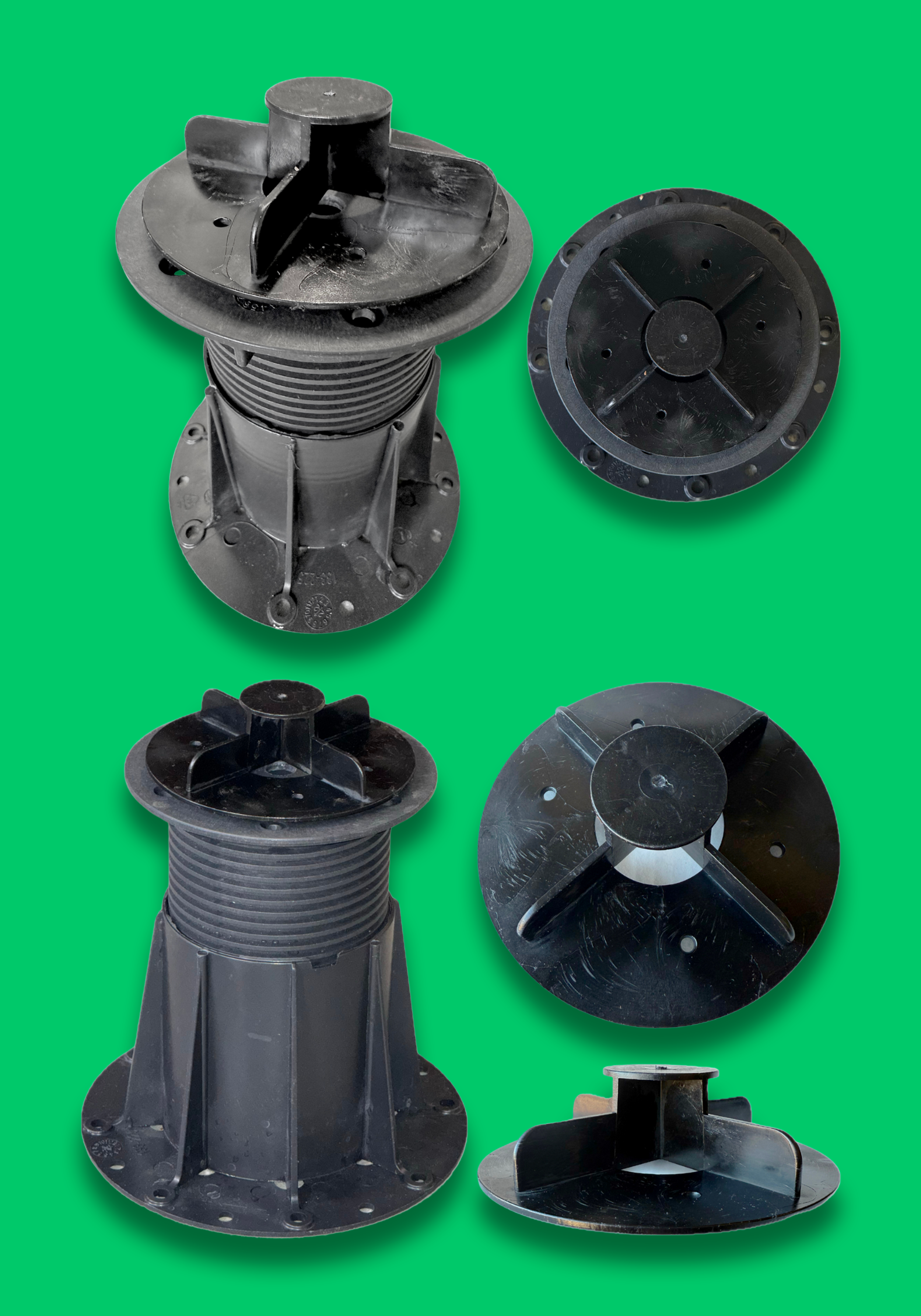
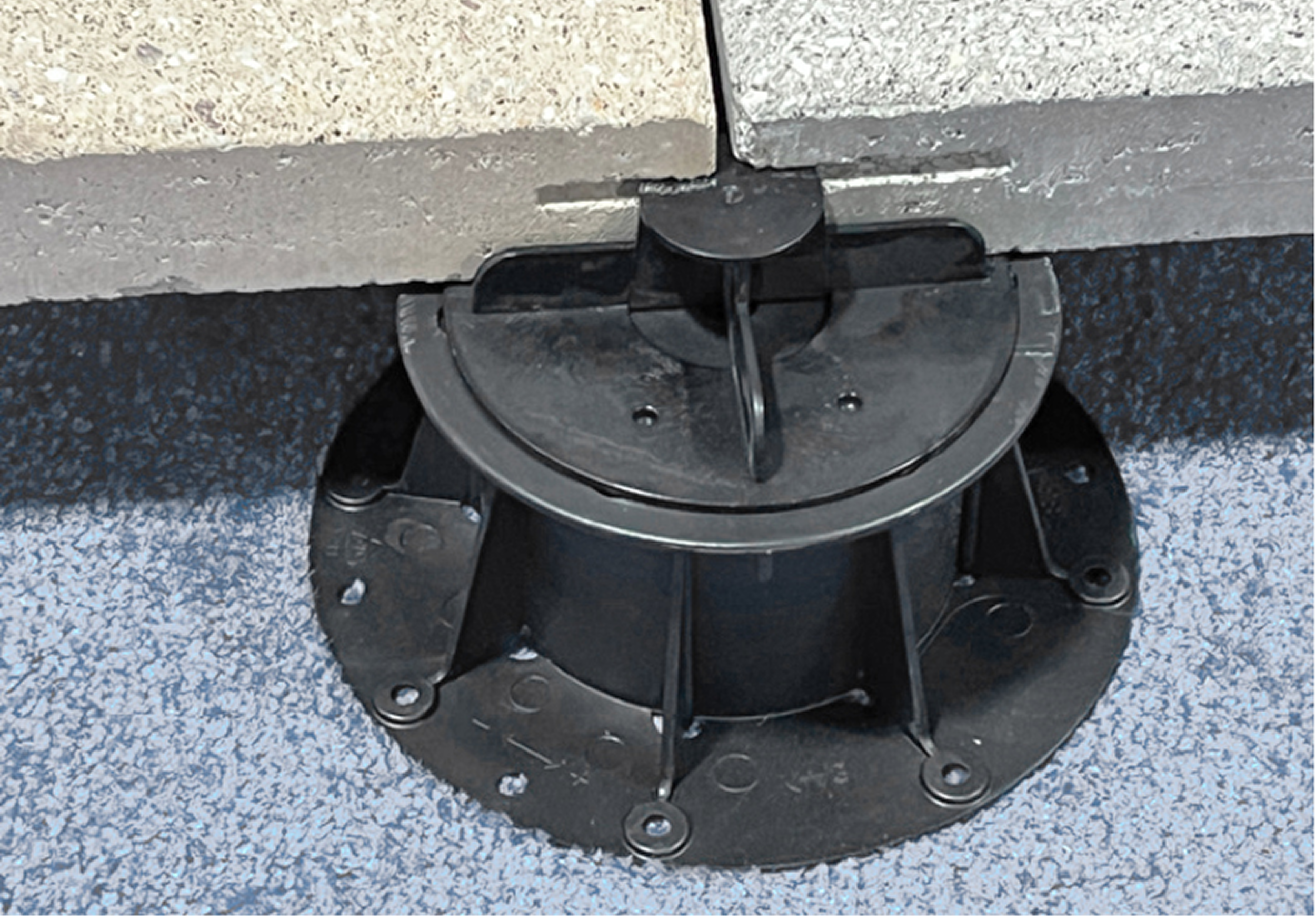
Roof paver pedestal wind testing and high-wind performance
The concealed wind uplift paver pedestal system has been validated through extreme wind testing to support use on exposed rooftops and high-risk wind zonesWind uplift performance tested in Florida to 165 mph, exceeding Category 5 hurricane thresholds (157+ mph)Verified using ASTM D3161 wind resistance testing, a nationally recognized standardEngineered to resist uplift forces calculated under ASCE 7-16Suitable for high-wind, coastal, and elevated rooftop environments
Adjustable pedestal and pedestal system for pavers
The system integrates with common pedestal configurations used across rooftop installations.Works with Urbanstrong’s adjustable pedestals and adjustable paver pedestalsSupports tile pedestal systems, including deck tile pedestal systemsCompatible with Urbanstrong’s floating pavers, floating paving, and raised paving systemsSuitable for rooftop deck pedestals, balcony pedestals, and patio pedestal systems